Working at Height and Skylight Protection FAQs
1. Why is working at height near skylights considered dangerous?
Working at height presents significant risks, especially around fragile surfaces like skylights. These can look solid but are often not weight-bearing, increasing the likelihood that a person could fall a distance liable to cause personal injury. A thorough risk assessment is essential to identify and address these hazards before any work at height is carried out.
2. What safety measures are required by height regulations?
Under current height regulations and work at height regulations, employers must ensure safety measures such as collective protection, toe boards, and working platforms are in place. For fragile roof areas, systems like Kee Cover® offer a practical solution to prevent falls and comply with the law when working at height.
3. How does Kee Cover® help create a safer working environment?
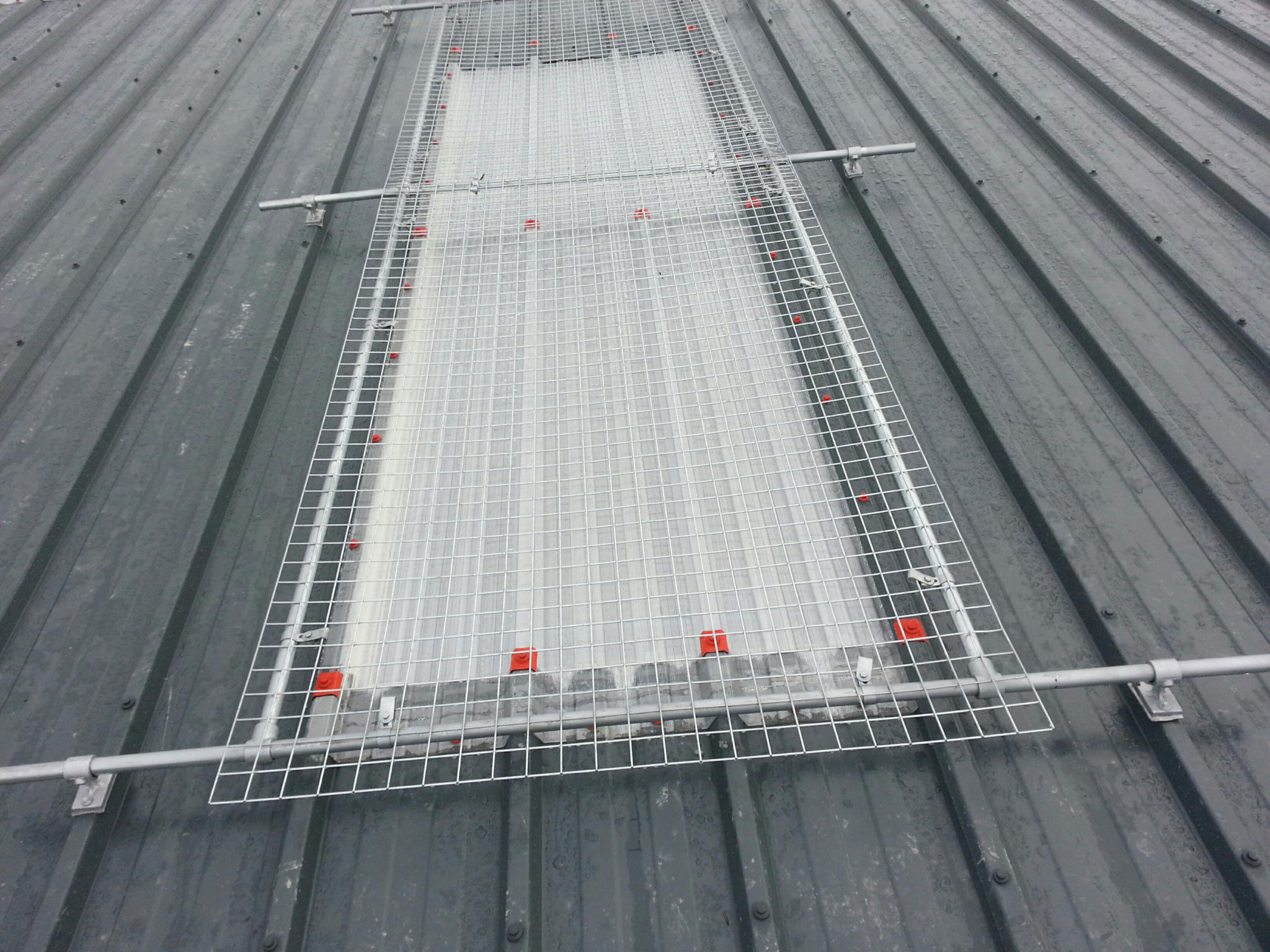
Kee Cover® is a tested, modular solution designed to prevent falls through fragile roofs and skylights. It supports a safer working environment by allowing maintenance and inspection tasks to be carried out in a safe manner, without compromising the building’s structure or light flow.
4. Can Kee Cover® be used on any flat roof?
Yes, Kee Cover® is suitable for various roof types, including flat roofs and trapezoidal or standing seam profiles. When working at height, especially during short duration or reactive maintenance tasks, Kee Cover® helps to minimise risks and protect both employees and contractors.
5. Who is responsible for ensuring fall protection is implemented?
Employers are legally required to ensure that all tasks involving working at height are properly planned and that suitable equipment, training, and supervision are provided. This helps avoid working in unsafe conditions and reduces exposure to falling objects and other potential causes of personal injury.
6. What if my existing place of work has skylights or roof lights?
If your existing place of work includes skylights, it is crucial to assess whether a person could fall or whether the roof surface is liable to cause personal injury. Kee Cover® helps minimise this risk, especially where guard rails, scissor lifts, or scaffolding may not be suitable or cost-effective.
6 Must-Know Facts Before Working at Height Around Skylights
1. Working at Height Involves More Than Just Ladders
Working at height includes any task where a person could fall a distance that may cause personal injury. This includes accessing skylights on rooftops, even if done from a ladder or short access platform.
2. Fragile Surfaces Are Often Hidden Hazards
Many skylights are made of brittle materials that look solid. Identifying these fragile surfaces through a proper risk assessment is critical before starting any construction work or maintenance task.
3. Collective Protection Should Come First
According to best practice under work at height regulations, collective protection such as Kee Cover® should be the first option to prevent falls. It doesn’t rely on user behaviour and supports low risk working conditions.
4. Safe Working at Height Requires the Right Equipment
Use only approved work equipment like Kee Cover®, toe boards, ladders, or scaffolding that are checked regularly. This helps to ensure that every task is completed in a safe manner with minimal chance of harm.
5. Training and Competence Are Essential
Before working near roof lights, employees must have up-to-date training. Only a competent person should assess whether the roof is safe and determine what precautions or other measures are needed to carry out the job safely.
6. Planning Minimises Risk and Liability
A properly planned task with the right measures, knowledge, and equipment helps minimise risks and avoid consequences that could fall a distance liable to cause harm. Kee Cover® is one of the few solutions that meets both safety and compliance needs for working at height.